
What is Aromatherapy?
- Xiaoya Gao

- Jan 20, 2025
- 2 min read
Updated: Aug 1, 2025
By Xiaoya Gao
Introduction
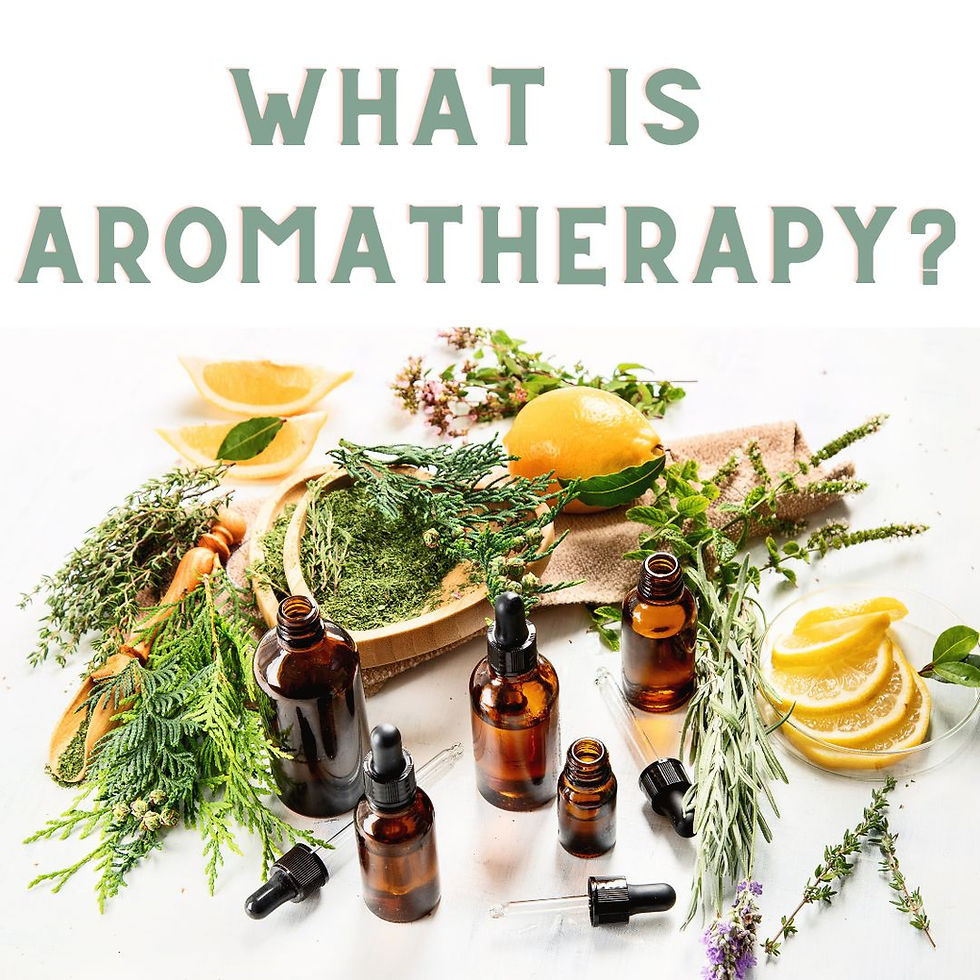
Aromatherapy is the practice of using natural plant extracts, such as essential oils, hydrosols, and carrier oils, in various ways to heal the body, mind, and spirit.
It is the promotion and harmonization of emotional, physical and spiritual health through the application of these extracts.
Aromatherapy is described as both an art and a science because it takes the knowledge of the scientific aspects of the plants and oils and combines it with the art of producing a beneficial blend. Basically, a successful aromatherapy blend is a synergy of science, art, and the practitioner’s knowledge of both, and how to apply it.
Aromatherapy is part of a larger field called phytotherapy (plant therapy). True aromatherapy is the skilled use of genuine essential oils for therapeutic purposes. Science, education and experience allow aromatherapy to truly become a holistic art.
Annette Davis, NAHA President
How does aromatherapy work?
Aromatherapy utilizes essential oils derived from plants to promote physical and psychological well-being. These essential oils contain aromatic compounds that can influence the body and mind through different mechanisms. There are two main application methods:
Inhalation:
Essential oils are inhaled through the nose, where the aroma interacts with the olfactory system. It takes less than one second for a pure essential oil to enter the body and produce a response.
This stimulates the limbic system in the brain, which directly connects with other parts of the brain that control heart rate, blood pressure, breathing, memory, stress levels, and hormone balance.
Topical Application:
Essential oils are diluted in carrier oils (e.g., coconut oil, jojoba oil) and applied to the skin.
The oils may be absorbed into the bloodstream, delivering localized or systemic benefits.
Benefits of Aromatherapy
Physical Benefits:
Relieves pain (e.g., headaches, muscle aches).
Supports respiratory health (e.g., clearing congestion).
Enhances skin health (e.g., soothing irritation, promoting healing).
Emotional and Mental Benefits:
Reduces stress and anxiety.
Improves sleep quality.
Boosts mood and mental clarity.
General satefy guidlines
Keep all essential oils out of reach of children, pets, and those with cognitive impairments and deficiencies.
Most essential oils require a carrier and should not be used directly on the skin. Essential oils are fat-soluble, not water-soluble. For those essential oils that can be applied neat, test a small amount on the skin before use on a large area
Avoid “heating” or “ stimulating” essential oils such as thyme, rosemary, and oregano with someone with high blood pressure, as they may increase blood pressure.
Consult a physician before using essential oils if working with someone with a serious health condition.
Use caution when exposed to essential oils during pregnancy, especially in the first trimester and high-risk pregnancies. (More information can be found at www.IFPAroma.org and www.NAHA.org).
Citrus essential oils are photosensitive. When exposed to direct sunlight within three to four hours of topical application, they may cause pigmentation and discoloration of the skin.
One should only consider the internal application method when working with a highly trained, professional aromatherapist. Some essential oils should never be ingested due to their toxicity to organs.
Essential oils are highly flammable substances and should be kept away from direct contact with flames.
Only use 100% pure essential oils from a reputable and experienced company.
References:
Jennifer Pressimone, Holistic Aromatherapy Comprehensive Guide (Clermont, Florida, 2015) 1,8,14)


Comments